 +44(0)1865 891466
Semi vs. Fully Automatic Capping Machines: Which Is Best for Your Production Line?
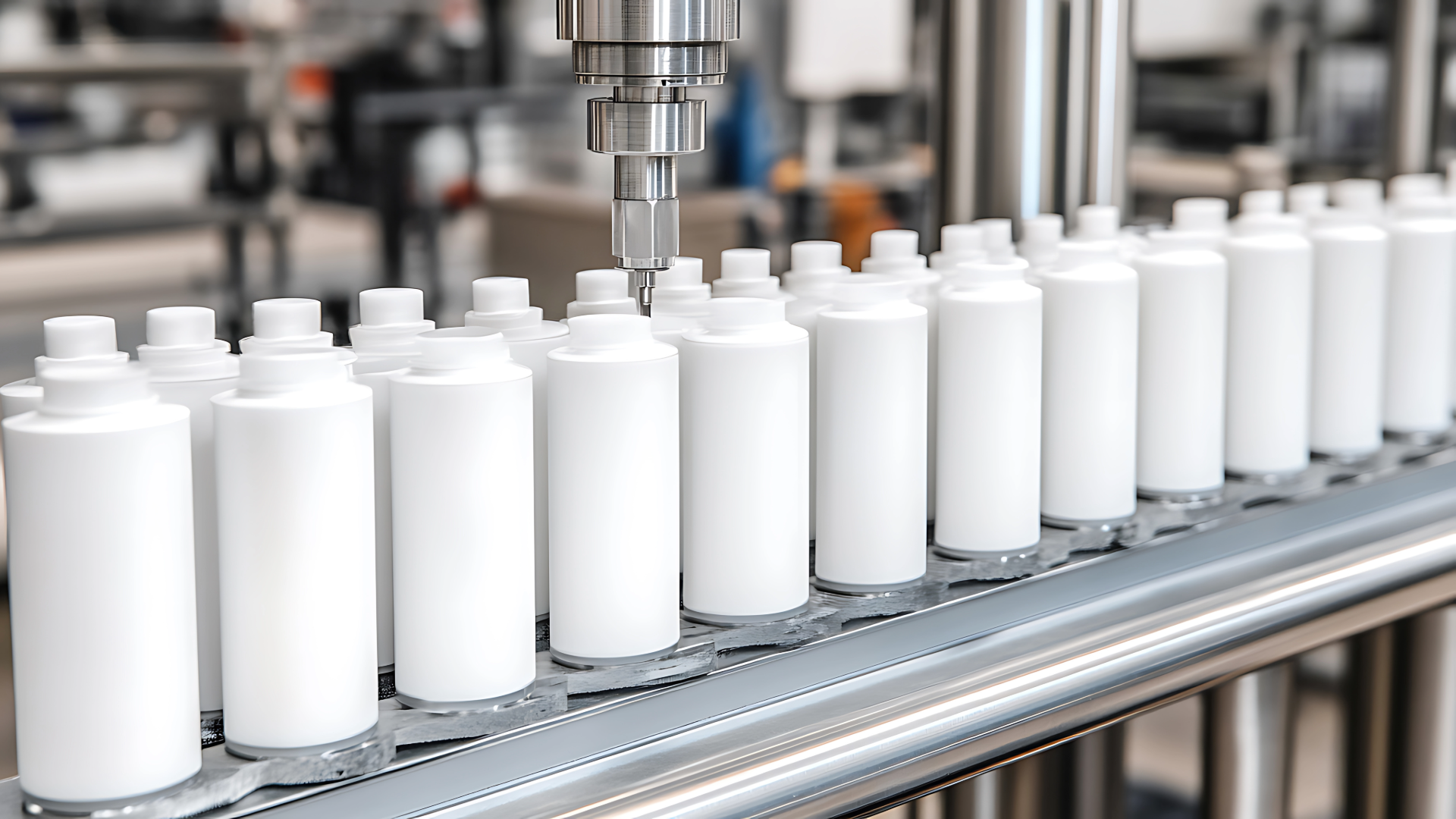
When it comes to bottling your products, whether that’s cosmetics, pharmaceuticals, food, or beverages, choosing the right capping machine is one of the most important decisions you’ll make. And it’s not just about keeping production moving; it’s about quality, consistency, and setting yourself up for growth.
So, here’s the big question: should you invest in a fully-automatic capping machine, or stick with a semi-automatic solution? Both options have their strengths, and the right choice depends on your business stage, product type, and ambitions for the future. Let’s take a closer look.
What Exactly is a Semi-Automatic Capping Machine?
A semi-automatic machine still needs a human touch. Think of it as a partnership between your team and the machine. The machine provides accuracy and consistency, while operators keep things moving. Machines like the Micro Mono or CC1100 take care of the hard work. They automatically detect when a bottle is present in the starwheel and handle the process from there. All your operator needs to do is place the bottle and cap, and the machine does the rest. These machines are compact, flexible, and surprisingly powerful for their size. Perfect for businesses taking their first steps into automation without committing to a full production line.
Pros of Semi-Automatic Capping Machines:
- Strong accuracy and consistency: Especially when paired with the right pump technology, semi-automatic systems can achieve impressive precision, in some cases within 0.5% accuracy on fill volumes using a peristaltic pump. That level of control ensures every bottle meets your quality standards, batch after batch.
- Precision: The CC1440 is engineered for precision and repeatability, delivering consistent torque and perfect seals every time. Originally developed to reduce repetitive strain injuries for operators, it combines ergonomic design with smooth, accurate performance. Its flexibility makes it suitable for a wide range of caps and containers, an ideal choice for businesses that need reliability without compromise.
- Flexibility: Semi-automatic machines can quickly adapt to different product types, bottle shapes, and cap sizes, helping you run a variety of SKUs without hassle.
- Smaller footprint: Compact machines that still perform are a lifesaver when space is tight. The Micro Mono delivers big performance in a compact package, handling both liquid filling and cap closure. Just connect power and air, and your production line comes to life.
Cons of Semi-Automatic Machines:
- More labour required: Operators handle loading and activation, increasing labour demands and fatigue.
- Less suited for high-volume production: Perfect for small to medium batches, but high-volume lines benefit from automation.
What is a Fully Automatic Capping Machine?
Fully automatic systems take human hands out of the process as much as possible. Bottles are fed onto a conveyor, automatically filled, capped, and often even labelled, all in one seamless production line. For manufacturers scaling up or already running at volume, this type of automation can be a game-changer.
Pros of Automatic Capping Machines:
- Maximise output: Automatic machines are built to keep production moving around the clock, delivering higher output per day thanks to continuous operation. The CC560 Fast Automatic Capper excels in over-conveyor setups, eliminating complicated setups while maintaining consistent accuracy and efficiency. For busy production lines, this means more bottles processed per day with minimal intervention, giving your team time to focus on other tasks.
- Unmatched consistency and repeatability: Machines like the CC570, with gated automatic capping, deliver proven performance with precise cap placement you can rely on. This consistency reduces errors, waste, and the need for manual quality checks, giving you confidence in every batch.
- Labour-saving: Fully automatic systems require far fewer operators. Bottles are fed, filled, capped, and often labelled in one continuous process, freeing your team to focus on other tasks and reducing the costs and fatigue associated with repetitive manual work.
- Excellent scalability: Automatic lines are built for growth. If you plan to scale up production, these machines can keep pace with increasing demand without requiring a complete line overhaul. Adding additional modules or integrating with conveyors and other automation systems is straightforward, allowing your production to expand as your business does.
Cons of Automatic Capping Machines:
- Higher initial investment: Fully automatic lines cost more upfront, though the ROI can be rapid when running at scale due to labour savings, increased output, and reduced errors.
- Requires more space: Automatic machines generally have a larger footprint than semi-automatic alternatives, so planning your floor layout carefully is essential.
- Potential overkill for smaller operations: For businesses producing limited batches, high-speed automation may not be necessary, and the complexity could outweigh the benefits.
How to Decide Which One You Need
Here’s how to measure it up:
- Product complexity: If you’re running lots of different SKUs with varied bottle shapes and sizes, semi-automatic machines often offer greater flexibility. Automatic lines shine when you’re focused on high-volume, repeatable runs.
- Labour optimisation: The real difference between semi-automatic and fully automatic machines isn’t just speed or volume; it’s how much manual work is needed. Automatic systems reduce the number of operators required on the line, which can lower the cost per bottle and free your team for other tasks.
- Growth plans: If you’re aiming to scale up quickly, investing in automation now might save you money and headaches down the line. Semi-automatic machines are brilliant for today’s needs, but automatic lines are built with the future in mind.
- Budget vs ROI: Semi-automatic machines are budget-friendly upfront, but if labour costs are significant, an automatic system can pay for itself much faster.

Final Thoughts: More Than Just Capping Bottles
The choice between semi-automatic and fully automatic capping machines comes down to your production goals, budget, and appetite for growth.
- Fully automatic systems are best for businesses running at scale, where consistency and output are critical.
- Semi-autos are perfect for frequent product changeovers and smaller batches, especially when running a single product.
- Benchtop semi-automatic machines are ideal for smaller operations, lab testing, and high-end cosmetics.
Cap Coder: Your Expert Partner in Filling and Capping Solutions
Whatever you choose, investing in the right capping machine means investing in your product’s quality, your team’s efficiency, and your business’s future. And that’s where Cap Coder comes in. For decades we’ve been helping manufacturers keep their lines running smoothly with UK-designed and built machines that deliver reliability, repeatability, and ease of use. Because whether you’re a small start-up or a global manufacturer, production doesn’t stop, and neither do we.
Ready to find the perfect capper for your production line? Get in touch with our experts today and let’s make it happen!
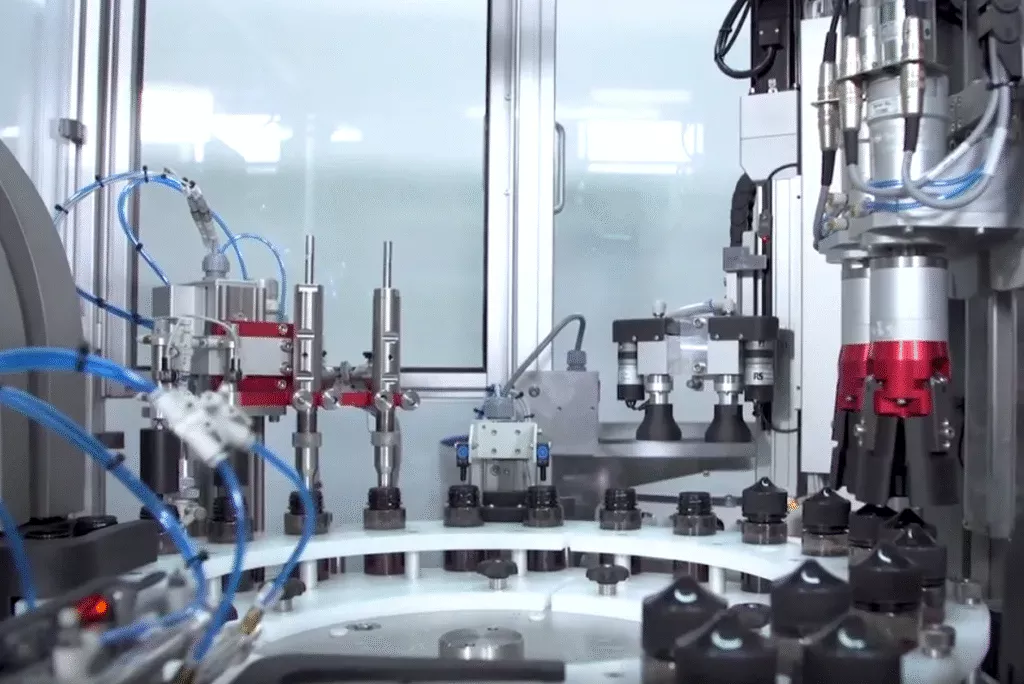
Ready to Boost your Productivity?
Get in touch today and one of our friendly sales engineers will be in contact shortly.