 +44(0)1865 891466
Common Points of Failure on Filling and Capping Lines (and How to Avoid Them)
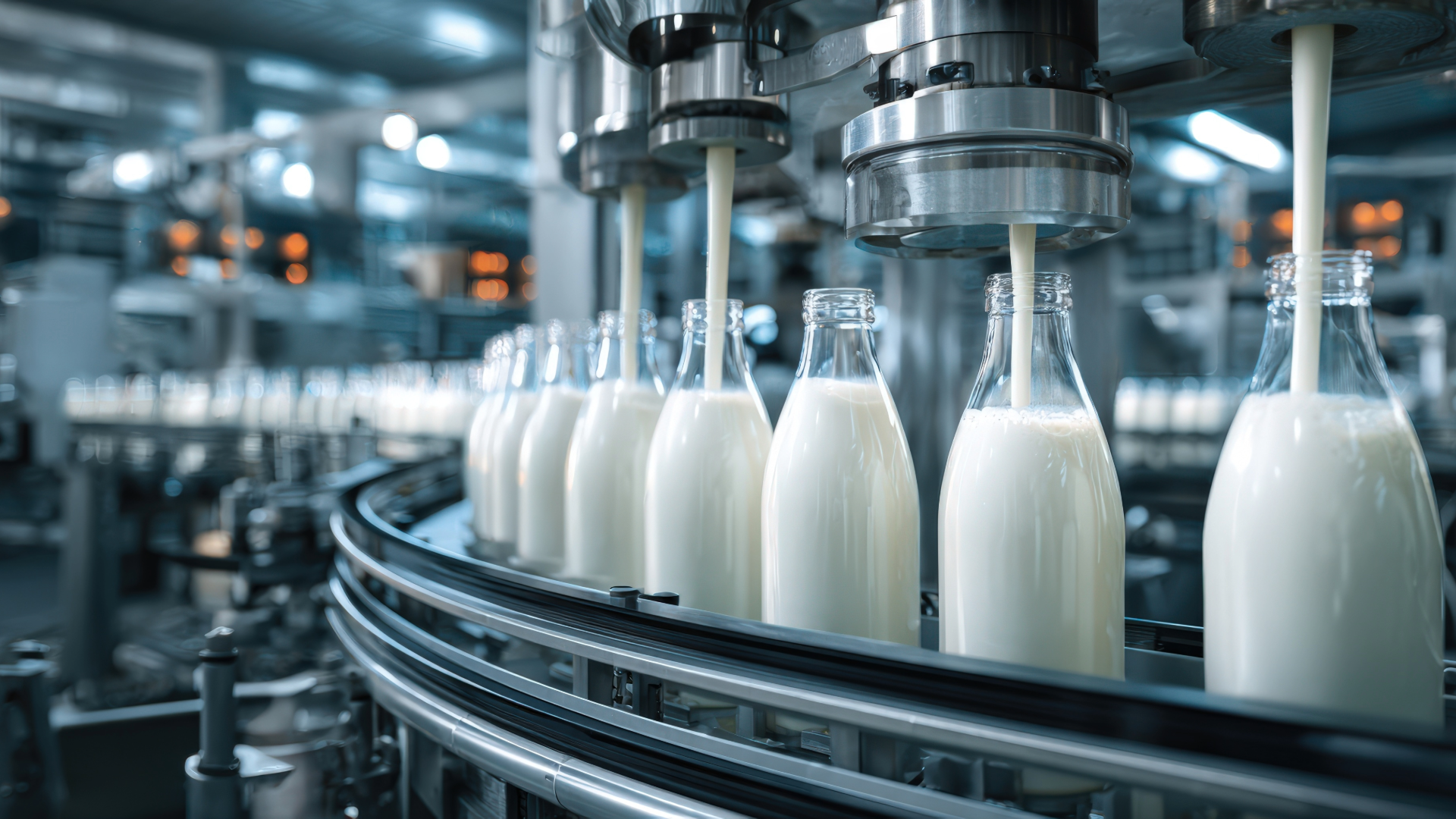
If you’ve ever stood staring at a halted bottling line, wondering why the machines hate you today, you’re not alone. Filling and capping lines are the lifeline of the drinks, cosmetics, and pharmaceutical industries, and when they go down, so does your bottom line. The problem? These lines are complex beasts. Made up of dozens of moving parts, they’re prone to a wide array of failure points, most of which seem to wait for your busiest production day to strike.
Downtime on filling and capping lines isn’t just inconvenient; it can be costly. A few minutes of line stoppage can escalate into hours of lost productivity, delayed orders, and frustrated teams. Understanding the common points of failure on your line and taking steps to prevent them is the first step toward consistent, stress-free production.
Let’s break down the three most common bottlenecks, and how to outsmart them before they drain your sanity.
Bottle Jams: The Domino Effect of Doom
Everything is humming along, and then… crunch. A slightly off-kilter bottle tilts on the conveyor, sending a wave of chaos down the line. Bottles back up, overflow, or topple like a row of plastic dominoes.
Why It Happens:
- Misaligned guides or rails
- Inconsistent bottle dimensions (yes, those “identical” bottles aren’t always so)
- Speed mismatch between conveyor sections
- Static buildup causing bottles to cling
How to Avoid It:
- Use adjustable guide rails that are precisely set for each bottle size.
- Routinely inspect and clean conveyor belts and lane guides.
- Invest in anti-static devices if cling is a recurring issue.
- Bonus tip: Avoid letting procurement buy “cheaper” bottles that don’t meet specs.
Small tweaks here can save hours of line downtime and prevent a domino effect of frustration.
Cap Misfeeds: The Twist Nobody Asked For
Caps come down sideways, upside down, or not at all. Your capping head grinds to a halt. Or worse, it keeps running and mangles caps like a blender.
Why It Happens:
- Worn or dirty cap sorter
- Cap orientation errors
- Vibratory feeder bowls not tuned properly
- Humidity or temperature changes affecting cap friction
How to Avoid It:
- Regularly clean and inspect cap delivery systems.
- Test caps from every batch before full production.
- Upgrade to a better sorting/orienting mechanism, magnetic or centrifugal systems are highly reliable.
- Monitor environmental conditions, machines can be surprisingly sensitive to temperature and humidity changes.
Proper cap handling dramatically reduces unplanned downtime and keeps your filling and capping lines humming smoothly.
Filler Valve Malfunctions: When Precision Turns to Pandemonium
Fill levels are inconsistent, causing overflow, underfill, or bubble-blasted bottles. In automated lines, this triggers alarms, halts, and sometimes robot tantrums.
Why It Happens:
- Worn seals or gaskets
- Air leaks in the pneumatic system
- Product foaming
- Inconsistent pressure or temperature
How to Avoid It:
- Schedule seal and gasket replacements based on actual usage, not hope.
- Run leak checks during start-up routines.
- Use foam-reduction nozzles or adjust filling height and speed.
- Keep fluid temperatures consistent – no one likes a lukewarm surprise.
With preventative maintenance in place, your filler valves will work consistently, reducing downtime and improving overall production efficiency.
More Than Bottles and Caps
When it comes to filling and capping line efficiency, prevention is better than cure. Downtime doesn’t just cost money, it stresses your team, slows orders, and can impact product quality. By focusing on bottle jams, cap misfeeds, and filler valve malfunctions, manufacturers can tackle the most frequent sources of line disruption.
Investing in the right machinery, regular maintenance, and proper operator training ensures that production runs smoothly, whether you’re scaling a beverage brand, managing cosmetic lines, or operating pharmaceutical packaging.
Cap Coder: Your Expert Partner in Filling and Capping Solutions
Whatever you choose, investing in the right capping machine means investing in your product’s quality, your team’s efficiency, and your business’s future. And that’s where Cap Coder comes in. For decades we’ve been helping manufacturers keep their lines running smoothly with UK-designed and built machines that deliver reliability, repeatability, and ease of use. Because whether you’re a small start-up or a global manufacturer, production doesn’t stop, and neither do we.
Ready to prevent the next line stoppage? Get in touch with our team today and let’s make your production as smooth as it should be.
Ready to Boost your Productivity?
Get in touch today and one of our friendly sales engineers will be in contact shortly.